
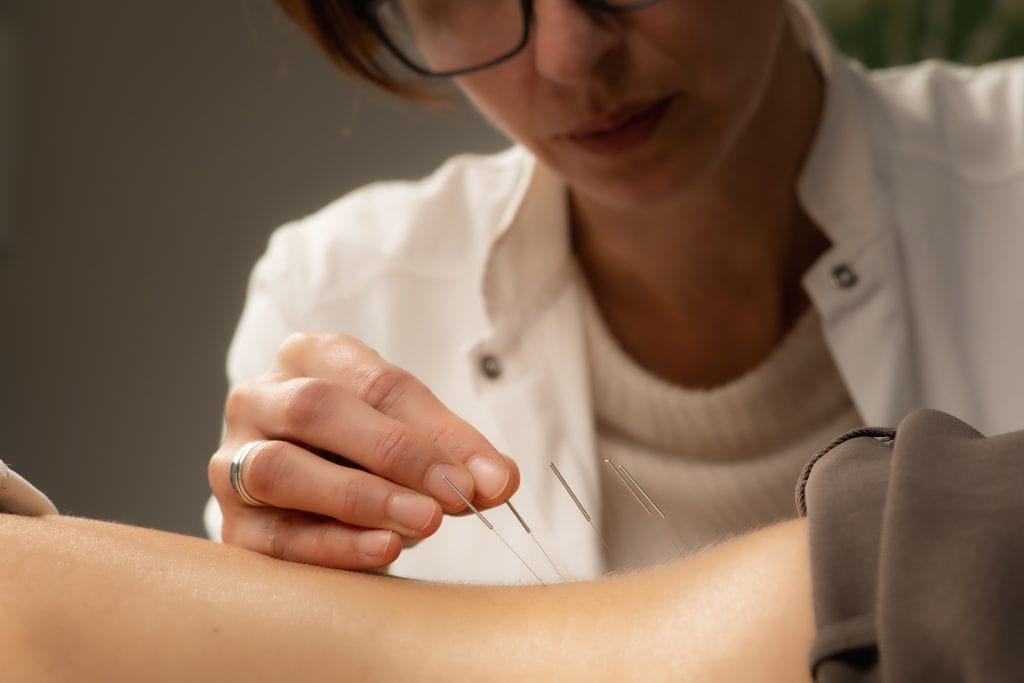
Acupuncture is generally considered a safe treatment when performed by a qualified practitioner using appropriate techniques and equipment. However, like any procedure involving needles, it carries certain risks. One concern that patients sometimes have is whether an acupuncture needle could break during treatment. So, can acupuncture needles break off inside the body? The answer is yes, although this is a rare complication.
Modern acupuncture needles are manufactured from flexible materials designed to withstand normal clinical use. However, factors such as excessive manipulation, sudden patient movement, damaged needles, or incorrect removal techniques can occasionally lead to breakage.
Understanding what causes acupuncture needles to break, the potential risks, and how practitioners can prevent these incidents is important for maintaining patient safety.
Can Acupuncture Needles Break Off During Treatment?
Yes, acupuncture needles can break off during treatment, but this is uncommon when appropriate equipment and techniques are used.
Most modern acupuncture needles are made from fine stainless steel. Unlike injection needles, they usually have a solid shaft rather than a hollow structure. Their flexibility allows them to bend slightly under pressure without necessarily breaking.
However, this flexibility has limits. Excessive force, repeated bending, or defects in the needle may weaken its structure.
Breakage can occur along the shaft or near the connection between the handle and needle body. The risk may increase if the needle is inserted too deeply or manipulated forcefully.
Although broken needles are rarely reported in routine practice, practitioners should always recognise the possibility and understand how to respond safely.
What Causes Acupuncture Needles to Break?
Needle breakage can result from several factors, including equipment quality, insertion technique, and unexpected movement during treatment.
Poor Needle Quality or Manufacturing Defects
Needle quality plays an important role in treatment safety.
Poorly manufactured needles may have inconsistencies in the shaft, weak handle connections, or other structural defects. These weaknesses can increase the likelihood of bending or breakage during manipulation.
Practitioners should select reliable acupuncture needles manufactured for professional use and inspect them before treatment.
Any needle with visible damage, an irregular shaft, or a loose handle should be discarded immediately.
Excessive Force During Manipulation
Acupuncture practitioners may rotate, lift, or gently manipulate needles to stimulate selected treatment points.
However, excessive twisting or repeated forceful movements can place unnecessary pressure on the needle shaft.
Tissues may also grip the needle during manipulation, creating resistance when the practitioner attempts to withdraw it.
Continuing to pull or twist against significant resistance can increase the risk of bending or breakage.
Controlled movements and appropriate clinical technique help minimise these complications.
Sudden Patient Movement
Unexpected movement can place stress on an inserted needle.
Patients may cough, sneeze, shift position, or experience involuntary muscle contractions during treatment.
These movements can change the relationship between the needle and surrounding tissues, potentially bending the shaft.
Practitioners should position patients comfortably and explain the importance of avoiding sudden movements while needles remain inserted.
Incorrect Needle Removal
A needle may occasionally become difficult to remove because of muscular tension or resistance from surrounding tissues.
Forceful withdrawal can increase mechanical stress and potentially damage the needle.
If unusual resistance occurs, practitioners should stop applying force and follow appropriate clinical procedures for managing a stuck needle.
Inserting the Needle Too Deep
Insertion depth is another important safety consideration.
When a needle is inserted almost entirely beneath the skin, very little of the shaft remains visible. This can make manipulation and removal more difficult.
It may also increase complications if breakage occurs near the handle.
Practitioners must consider patient anatomy, treatment location, and appropriate insertion depth before placing a needle.
What Happens If an Acupuncture Needle Breaks Inside the Body?
If an acupuncture needle breaks, the outcome depends on where the fragment is located and whether surrounding tissues are affected.
A fragment may remain close to the skin or become lodged deeper within muscles and connective tissue.
Some patients may experience immediate discomfort, while others may initially notice few symptoms.
However, a retained needle fragment should never be ignored.
Movement of surrounding muscles may cause the fragment to change position. In certain locations, this could increase the risk of irritation or injury.
A medical professional may need to assess the area and use imaging to determine the fragment’s location.
The patient should remain still while appropriate medical assistance is arranged.
What Are the Risks of a Broken Acupuncture Needle?
Although serious complications are uncommon, a broken needle can create several potential health concerns.
Pain and Tissue Irritation
A retained needle fragment may irritate surrounding muscles, connective tissue, or other structures.
Patients may experience tenderness, local discomfort, or pain during movement.
The severity depends on the fragment’s position and whether it places pressure on nearby tissues.
Nerve Injury
A fragment located near a nerve may cause irritation or, in rare cases, direct injury.
Symptoms can include tingling, numbness, burning sensations, or unusual pain.
These symptoms do not necessarily indicate permanent nerve damage, but they require medical assessment.
Blood Vessel or Organ Damage
Fragments located near blood vessels or internal organs may present more serious risks.
Deep needling itself can also cause complications without a needle breaking.
For example, incorrect insertion around the chest or upper back may cause a pneumothorax if the lung is punctured.
Sudden chest pain, shortness of breath, or difficulty breathing following acupuncture requires immediate emergency medical attention.
Infection
Any procedure involving skin penetration carries some risk of infection.
A retained fragment may contribute to local irritation or infection, particularly if complications develop around the affected tissue.
Increasing redness, warmth, swelling, discharge, or fever should prompt medical assessment.
Following appropriate acupuncture sterilisation standards helps minimise infection risks associated with needle based procedures.
What Should You Do If an Acupuncture Needle Breaks?
A broken acupuncture needle requires immediate attention and appropriate clinical management.
The practitioner should stop treatment, explain the situation, and ask the patient to remain still.
Further movement or manipulation could cause the fragment to shift deeper into surrounding tissues.
If Part of the Needle Remains Visible
If the broken portion remains exposed above the skin, an appropriately trained healthcare professional may be able to remove it using suitable sterile instruments.
However, removal should never involve excessive force or repeated attempts that could worsen the injury.
If the fragment cannot be removed safely and easily, medical assistance should be arranged.
If the Needle Is Completely Beneath the Skin
A fragment that has disappeared beneath the skin requires urgent medical evaluation.
Practitioners should not attempt to cut the skin, squeeze surrounding tissues, or probe the wound to locate it.
Medical professionals may use imaging to identify the fragment before deciding on appropriate treatment.
The practitioner should document the incident, including the needle location, circumstances, symptoms, and actions taken.
How Can Practitioners Prevent Acupuncture Needle Breakage?
Preventing breakage involves selecting appropriate equipment, using safe techniques, and maintaining careful patient management.
Choose Reliable, Single Use Needles
Using suitable needles is an important part of maintaining safe clinical practice.
Needles should be manufactured from appropriate materials and supplied in secure, sterile packaging.
For example, DongBang DB100 acupuncture needles are manufactured using surgical grade stainless steel and feature spring metal handles designed for tactile feedback.
NeedlePro supplies this range in different sizes to accommodate various clinical requirements.
However, even well manufactured needles can become damaged through inappropriate handling or excessive force.
Inspect Needles Before Use
Practitioners should inspect each needle and its packaging before treatment.
Needles should not be used if they have:
- Bent or damaged shafts
- Loose or irregular handles
- Compromised sterile packaging
- Visible defects or corrosion
- Expired or uncertain sterility status
Any questionable needle should be discarded rather than straightened or reused.
Select the Appropriate Needle Size
Needle length and diameter should match the treatment location, patient anatomy, and intended technique.
Using an unsuitable needle can make insertion or manipulation more difficult.
Practitioners should consider tissue depth, needle flexibility, and the clinical approach when selecting equipment.
For busy clinics, DongBang DB106 acupuncture needles are supplied in bulk blister packaging and offer different size options.
However, correct needle selection should always be based on clinical requirements rather than convenience alone.
Avoid Excessive Manipulation
Acupuncture techniques should be performed using controlled movements.
Excessive twisting, forceful insertion, or pulling against resistance can increase the risk of damage.
If a needle becomes difficult to withdraw, practitioners should assess the situation rather than continuing to apply force.
Maintaining an appropriate visible portion of the shaft also supports safer handling.
Maintain Patient Comfort
Patients should be positioned comfortably before needle insertion.
An uncomfortable position can increase muscular tension or encourage unnecessary movement during treatment.
Practitioners should explain what sensations patients may experience and encourage them to report discomfort immediately.
Keep Accurate Needle Counts
Tracking the number of needles inserted and removed is an important safety measure.
Practitioners should confirm that all needles are accounted for at the end of each treatment.
This helps identify missing needles promptly, particularly when multiple treatment points are used.
Are Disposable Acupuncture Needles Safer?
Modern professional acupuncture practice relies on sterile, single use needles.
Disposable needles reduce infection risks associated with reusing instruments and eliminate wear caused by repeated clinical use.
However, they are not completely resistant to damage.
Needle quality, proper storage, suitable insertion techniques, and careful handling remain essential.
After treatment, used needles should be discarded immediately into an appropriate sharps container.
Correct disposal helps prevent accidental needlestick injuries and supports safe clinical waste management.
Can Acupuncture Needles Break During Dry Needling?
Dry needling and traditional acupuncture both involve inserting fine needles through the skin, although their clinical approaches may differ.
Because similar instruments are used, bending or breakage is possible during either procedure.
During dry needling, practitioners may target muscles associated with pain or trigger points.
Sudden muscle contractions, unexpected patient movement, or excessive manipulation can place additional stress on the needle.
Practitioners must therefore understand anatomical risks, suitable needle selection, and appropriate management of complications.
The same safety principles apply to both techniques, including careful handling, appropriate training, and sterile single use equipment.
Why Is Practitioner Training Important?
Practitioner knowledge and clinical experience are essential for preventing avoidable complications.
Qualified professionals should understand anatomy, safe insertion depths, appropriate manipulation techniques, contraindications, and infection control procedures.
They should also recognise when an unexpected treatment response requires further medical attention.
For example, mild tenderness following acupuncture may resolve without intervention. However, severe pain, increasing swelling, persistent numbness, or difficulty breathing should never be dismissed as a normal response.
Ongoing education supports safer clinical decisions. NeedlePro offers professional seminars and workshops relevant to acupuncture practice and practitioner development.
Appropriate training helps practitioners use equipment responsibly and respond effectively when complications occur.
How Can Patients Reduce Their Risk During Acupuncture?
Patients also play an important role in treatment safety.
Before an appointment, they should provide accurate information about their medical history, medications, previous treatment experiences, and relevant health conditions.
During treatment, patients should avoid sudden movements and inform the practitioner if they feel unusual pain or discomfort.
It is reasonable to ask whether the clinic uses sterile, single use needles and follows appropriate infection control procedures.
Patients should also report symptoms that worsen after treatment rather than assuming every reaction is normal.
Open communication and appropriate practitioner qualifications can help reduce preventable risks.
Final Thoughts
Acupuncture needle breakage is possible, but it remains an uncommon complication when treatment is performed by a qualified practitioner using appropriate equipment and techniques.
Understanding whether acupuncture needles can break off, what causes damage, and how to respond helps practitioners maintain safer clinical environments.
Reliable single use needles, appropriate insertion techniques, careful manipulation, and accurate needle counts are important preventive measures.
If a needle fragment remains inside the body, medical assessment is necessary to determine its location and appropriate management.
With proper training, suitable equipment, and careful attention to patient safety, the risk of acupuncture needle breakage can be minimised.
Frequently Asked Questions
Can acupuncture needles break off inside the skin?
Yes, acupuncture needles can break off inside the skin, although this is rare. Possible causes include manufacturing defects, excessive manipulation, sudden movement, and incorrect removal techniques. A retained fragment requires appropriate medical assessment.
What happens if an acupuncture needle breaks inside your body?
A broken fragment may remain lodged in surrounding tissues or move because of muscle activity. Depending on its location, it may cause pain or irritation. Medical assessment and imaging may be necessary to determine appropriate treatment.
Are acupuncture needles strong enough to avoid breaking?
Modern acupuncture needles are generally manufactured from flexible stainless steel designed for normal clinical use. However, excessive force, repeated bending, or structural defects can still cause damage.
Can a broken acupuncture needle cause permanent damage?
Permanent injury is possible but uncommon. The risk depends on the fragment’s location and whether nerves, blood vessels, or other important structures are affected. Prompt medical assessment helps reduce the likelihood of complications.
Can acupuncture needles bend without breaking?
Yes, acupuncture needles are flexible and may bend under pressure without fracturing. However, a visibly bent needle should not be reused, and practitioners should avoid forceful manipulation or withdrawal.
How can acupuncture needle breakage be prevented?
Practitioners can reduce the risk by using reliable sterile needles, inspecting equipment, selecting appropriate sizes, avoiding excessive force, positioning patients comfortably, and following established clinical safety procedures.