
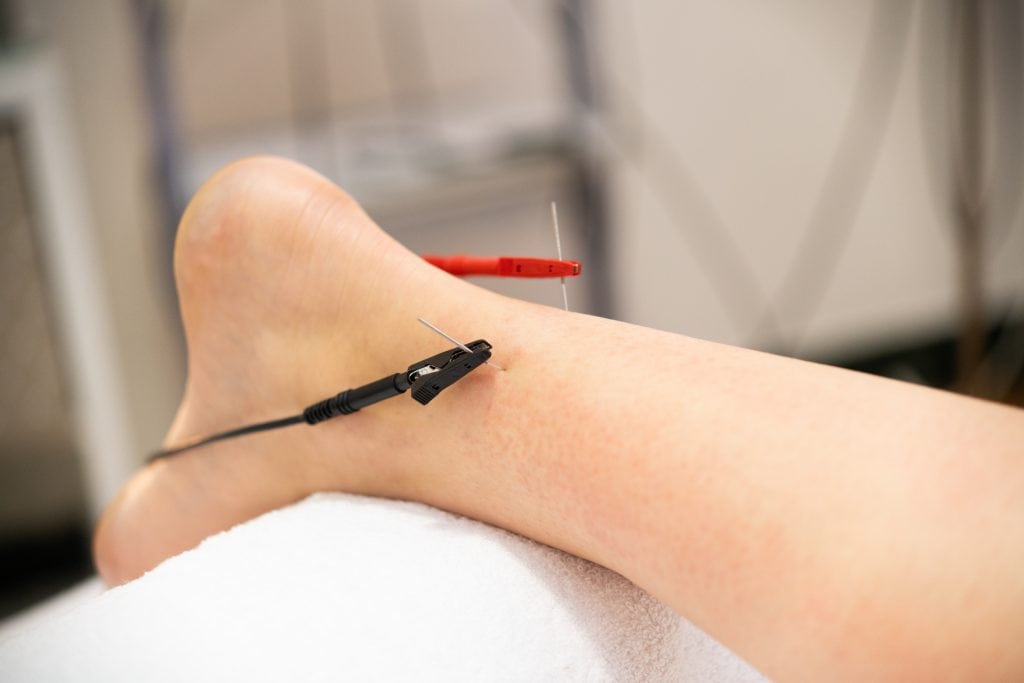
Electroacupuncture combines traditional acupuncture with gentle electrical stimulation to help manage pain, muscle tension, and joint discomfort. While it follows many of the same principles as regular acupuncture, the addition of electrical pulses allows practitioners to stimulate selected areas of the body in a controlled and consistent way. But how does electroacupuncture work, and what makes it different from traditional acupuncture?
During treatment, fine needles are inserted into specific points and connected to a device that delivers mild electrical impulses. These impulses stimulate nearby nerves and tissues, potentially influencing how the nervous system processes pain.
Electroacupuncture is commonly used in pain management and rehabilitation. However, its effectiveness varies depending on the condition being treated. Understanding the process, potential benefits, and safety considerations can help patients decide whether this treatment may be appropriate for their needs.
What Is Electroacupuncture?
Electroacupuncture is a form of acupuncture that uses controlled electrical stimulation through fine needles inserted into selected points on the body.
Traditional acupuncture involves inserting needles and sometimes manually manipulating them to stimulate surrounding tissues. Electroacupuncture follows a similar process but uses an electrical device to deliver gentle pulses between connected needles.
Practitioners can adjust the frequency and intensity of these pulses according to treatment objectives and patient comfort.
In Traditional Chinese Medicine, acupuncture is associated with the concept of Qi, or vital energy, which is believed to travel through pathways called meridians. Modern research examines electroacupuncture through its effects on sensory nerves, muscles, and pain processing pathways.
Although these explanations differ, electroacupuncture remains a technique that combines established acupuncture practices with controlled electrical stimulation.
How Does Electroacupuncture Work?
Electroacupuncture works by delivering electrical impulses through acupuncture needles placed at selected treatment points. These impulses activate nearby nerve fibres and may influence communication between the nerves, spinal cord, and brain.
Several physiological processes may contribute to its effects.
Stimulation of the Nervous System
The nervous system carries information between the body and brain, including signals associated with pain.
When electrical pulses stimulate sensory nerves, they generate signals that travel through the spinal cord. This activity may influence how pain information is transmitted and interpreted.
Researchers believe electroacupuncture can affect both local nerve activity and broader pathways involved in pain regulation.
The response depends on needle placement, stimulation frequency, intensity, and individual sensitivity.
Release of Natural Pain Relieving Chemicals
The body produces chemicals that help regulate pain, including endorphins and other naturally occurring opioid substances.
Electroacupuncture may influence the activity of these chemicals, potentially reducing the intensity of certain painful sensations.
Other neurotransmitters involved in nerve communication may also contribute to the response.
However, these changes do not guarantee pain relief. Treatment outcomes vary between individuals and medical conditions.
Effects on Muscles and Blood Circulation
Electrical stimulation can produce gentle rhythmic contractions in nearby muscles, depending on the settings used.
These responses may help some patients manage muscular discomfort, particularly when pain interferes with normal movement.
Research also suggests electroacupuncture may influence local blood circulation. However, increased circulation does not necessarily mean injured tissues will heal faster.
The relationship between electrical stimulation, muscular responses, and recovery continues to be investigated.
Influence on Inflammation
Inflammation is part of the body’s natural response to injury. However, persistent inflammation may contribute to ongoing pain and discomfort.
Experimental research suggests electroacupuncture can influence certain inflammatory signalling pathways through interactions between the nervous and immune systems.
Although these findings are promising, electroacupuncture should not replace established medical treatment for inflammatory conditions.
What Happens During an Electroacupuncture Session?
An electroacupuncture appointment is similar to a traditional acupuncture session, with the addition of electrical stimulation.
The treatment process generally involves assessment, needle placement, electrical stimulation, and needle removal.
Initial Consultation
Before beginning treatment, the practitioner discusses the patient’s symptoms, medical history, medications, and treatment goals.
This assessment helps determine whether electroacupuncture is suitable and identifies precautions that may be necessary.
Patients should mention implanted medical devices, pregnancy, seizure disorders, bleeding conditions, and previous reactions to acupuncture.
Needle Placement
The patient sits or lies comfortably while the practitioner prepares the treatment area.
Fine, sterile acupuncture needles are inserted at selected points based on the clinical assessment.
Needle placement depends on the condition being addressed. Some treatments involve only a few needles, while others require several points.
Patients may experience a brief prick during insertion, followed by mild pressure, heaviness, or tingling.
Electrical Stimulation
After positioning the needles, the practitioner attaches electrode clips to selected needle pairs.
The clips connect to an electroacupuncture device that delivers controlled electrical pulses.
Stimulation generally begins at a gentle intensity and is adjusted according to the patient’s response.
Patients commonly describe the sensation as mild tingling, rhythmic pulsing, or gentle muscle contractions. Electrical stimulation should remain comfortable rather than painful.
Completing the Treatment
The electrical stimulation stage commonly lasts approximately 15 to 30 minutes, although treatment duration varies.
Once the session is complete, the practitioner switches off the device, disconnects the electrodes, and removes the needles.
Some patients feel relaxed afterward, while others experience temporary tiredness or tenderness around the treated areas.
Most people can return to their usual activities following treatment.
What Are the Benefits of Electroacupuncture?
Electroacupuncture has attracted attention because of its potential to influence pain perception and improve physical function.
Although research findings are encouraging for certain conditions, benefits are not guaranteed.
May Help Manage Chronic Pain
Persistent pain can affect sleep, movement, work, and everyday activities.
Electroacupuncture may help some patients by influencing sensory nerve activity and the body’s natural pain regulation systems.
Clinical research suggests possible benefits for certain musculoskeletal conditions, although results differ between studies.
It is generally considered a complementary approach rather than a replacement for medical assessment or established treatment.
May Improve Joint Comfort
Joint discomfort can make walking, bending, and climbing stairs difficult.
Some research suggests electroacupuncture may reduce pain and improve physical function in people with knee osteoarthritis.
However, it cannot reverse joint degeneration or restore damaged cartilage.
Any improvement should be considered part of overall symptom management.
Provides Consistent Stimulation
One practical advantage of electroacupuncture is the ability to control stimulation settings.
Practitioners can adjust electrical frequency and intensity, allowing the treatment to deliver a consistent pattern of stimulation.
This provides another option when manual acupuncture techniques alone may not meet the treatment objectives.
However, stronger stimulation does not automatically produce better results.
May Reduce Muscle Discomfort
Muscle pain and tension can restrict movement and make ordinary activities uncomfortable.
Electroacupuncture may provide temporary relief by influencing nearby nerves and muscle activity.
It is sometimes incorporated into broader treatment plans involving exercise, physiotherapy, and rehabilitation.
Progress should be measured through improvements in movement and daily function rather than pain reduction alone.
What Conditions Is Electroacupuncture Used For?
Electroacupuncture is commonly investigated for pain related conditions, particularly those affecting muscles and joints.
Chronic Lower Back Pain
Persistent lower back pain is one of the conditions for which electroacupuncture has been studied.
Some clinical research suggests improvements in physical function and back related disability. However, findings concerning pain intensity remain mixed.
Electroacupuncture may be considered alongside exercise, physiotherapy, and other recommended treatments.
Patients experiencing severe weakness, changes in bladder or bowel control, or other concerning symptoms require prompt medical assessment.
Knee Osteoarthritis
Knee osteoarthritis commonly causes stiffness, discomfort, and difficulty moving.
Electroacupuncture may help certain patients manage symptoms over several treatment sessions.
However, it does not address the underlying structural changes within the joint. Strengthening exercises, activity modification, and appropriate medical care remain important.
Neck and Shoulder Pain
Neck and shoulder discomfort may develop from muscular strain, repetitive movements, joint problems, or nerve irritation.
Electroacupuncture is sometimes used to help manage associated pain and muscle tension.
The appropriate approach depends on the underlying cause, particularly when symptoms involve persistent numbness, weakness, or radiating pain.
Nerve Related Pain
Electroacupuncture is also being investigated for neuropathic pain, which may cause burning, tingling, or unusual sensations.
Researchers are examining whether electrical stimulation can influence abnormal nerve signalling.
Although some findings are promising, current evidence does not establish that electroacupuncture repairs damaged nerves or reliably treats every form of neuropathy.
Electroacupuncture vs Traditional Acupuncture
Both techniques involve placing fine needles at selected points, but the method of stimulation differs.
| Feature | Traditional Acupuncture | Electroacupuncture |
| Stimulation | Manual manipulation or needle retention | Electrical impulses through needles |
| Equipment | Acupuncture needles | Needles and electrical stimulation device |
| Sensation | Mild pressure, heaviness, or tingling | Pulsing, tingling, or gentle contractions |
| Intensity control | Adjusted manually | Adjusted through device settings |
| Common applications | Various clinical indications | Frequently investigated for pain management |
Neither technique is automatically superior. Treatment selection depends on the condition, clinical assessment, and patient preferences.
Needle design can also influence a practitioner’s equipment selection. For example, DongBang DB100 acupuncture needles feature spring metal handles designed to provide tactile feedback during needle manipulation.
However, practitioners must confirm that any needle selected for electroacupuncture is compatible with the electrical stimulation equipment.
Electroacupuncture vs. TENS and Dry Needling
Electroacupuncture is sometimes confused with transcutaneous electrical nerve stimulation (TENS) and dry needling.
TENS delivers electrical impulses through adhesive electrodes placed on the skin. Unlike electroacupuncture, it does not involve needle insertion.
Dry needling uses fine needles inserted into selected tissues, commonly to address musculoskeletal pain and trigger points. Standard dry needling does not involve electrical stimulation, although electrical dry needling is also practised.
Electroacupuncture differs because electrical pulses are delivered through inserted acupuncture needles.
These treatments require different techniques and safety considerations, so the most appropriate option depends on the patient’s condition and practitioner assessment.
Is Electroacupuncture Safe?
Electroacupuncture is generally considered a relatively low-risk treatment when performed by a qualified practitioner using appropriate equipment and infection control procedures.
However, electrical stimulation introduces additional precautions beyond traditional acupuncture.
Who Should Avoid Electroacupuncture?
Electroacupuncture may be unsuitable for people with certain medical conditions.
Important considerations include:
- Pacemakers, implanted defibrillators, or other electronic medical devices
- Epilepsy or a history of seizures
- Certain cardiovascular conditions
- Pregnancy
- Reduced sensation or difficulty communicating discomfort
These circumstances require individual assessment. People with implanted electronic medical devices should generally avoid electroacupuncture unless appropriate specialist advice confirms its safety.
Electrical stimulation should never be applied along a pathway crossing the heart.
Possible Side Effects
Most reported side effects are mild and temporary.
Patients may experience tenderness, minor bleeding, bruising, dizziness, or fatigue following treatment.
More serious complications, including infection, tissue injury, or electrical injury, are uncommon but possible when procedures are performed incorrectly.
Practitioner training, suitable equipment, and careful monitoring are important for reducing these risks.
Importance of Sterile Acupuncture Needles
Maintaining hygiene is essential because electroacupuncture involves needle insertion through the skin.
Practitioners must use sterile, single-use needles and follow appropriate infection control procedures.
Understanding acupuncture needle sterilisation standards helps practitioners maintain safe clinical practices and reduce cross-contamination risks.
Used needles must never be reused and should be discarded immediately after treatment.
A dedicated 2.7L sharps container is one option for collecting used clinical needles before disposal through an appropriate clinical waste service.
How Many Electroacupuncture Sessions Are Needed?
There is no fixed number of electroacupuncture sessions suitable for everyone.
Treatment frequency depends on the condition, symptom severity, treatment objectives, and individual response.
Some patients notice temporary changes after an initial appointment, while others may require several sessions before meaningful improvements become apparent.
Clinical treatment plans often involve appointments spread over several weeks, but this does not mean every patient requires the same schedule.
Practitioners should regularly review pain levels, mobility, and daily function.
If treatment is not producing meaningful results, the approach should be reassessed rather than continued indefinitely.
What Should You Do Before and After Electroacupuncture?
Preparing for electroacupuncture usually requires only a few practical considerations.
Patients should wear comfortable clothing, eat normally unless advised otherwise, and provide accurate information about their medical history.
They should also discuss any concerns about needles or electrical stimulation before treatment begins.
After the session, mild tiredness or local tenderness may occur. Patients should follow their practitioner’s advice about exercise and other activities.
Anyone experiencing severe pain, unusual swelling, persistent dizziness, or other concerning symptoms should seek medical advice.
Choosing a Qualified Electroacupuncture Practitioner
Practitioner qualifications and experience are important when considering electroacupuncture.
Patients should look for professionals with appropriate acupuncture qualifications and specific training in electrical stimulation techniques.
In Australia, practitioners using the protected title of acupuncturist must meet applicable national registration requirements.
A qualified practitioner should explain the treatment, discuss possible benefits and risks, and obtain informed consent.
Appropriate equipment selection is equally important. NeedlePro supplies sterile, single-use products, including DongBang DB106 acupuncture needles, which are packaged for efficient use in busy clinical environments.
However, product quality alone does not establish suitability for electrical stimulation. Practitioners must confirm compatibility with the equipment manufacturer’s instructions.
Ongoing clinical education is also important. NeedlePro offers professional seminars and workshops covering topics relevant to acupuncture practice, although specific electroacupuncture training is necessary before providing this treatment.
Final Thoughts
Electroacupuncture combines traditional acupuncture techniques with controlled electrical stimulation to influence nerve activity and pain processing.
It may help some patients manage persistent pain, joint discomfort, and certain musculoskeletal symptoms. Research also suggests potential improvements in physical function for particular conditions, although evidence varies between applications.
Understanding how electroacupuncture works allows patients to approach treatment with realistic expectations.
When performed by a suitably trained practitioner using sterile needles and appropriate equipment, electroacupuncture may be a useful complementary option within a broader treatment plan.
Frequently Asked Questions
Does electroacupuncture hurt?
Electroacupuncture usually produces mild tingling, pulsing, or gentle muscle contractions rather than significant pain. Needle insertion may cause brief discomfort. Patients should immediately inform their practitioner if electrical stimulation becomes painful.
How long does an electroacupuncture session take?
Electrical stimulation commonly lasts around 15 to 30 minutes. The full appointment may take longer because it includes assessment, needle placement, equipment preparation, and needle removal.
Is electroacupuncture better than regular acupuncture?
Not necessarily. Electroacupuncture provides controlled electrical stimulation, but research has not established that it consistently produces better results than traditional acupuncture. The most suitable technique depends on the condition and treatment objectives.
Can electroacupuncture help with nerve pain?
Electroacupuncture may influence nerve signalling and pain perception. However, evidence for treating specific neuropathic conditions remains limited. It should not replace medical investigation or treatment of an underlying nerve disorder.
Can electroacupuncture be combined with physiotherapy?
Electroacupuncture may sometimes be incorporated into a broader rehabilitation plan involving physiotherapy, exercise, and other treatments. The decision should be based on clinical assessment and coordination between healthcare professionals.
Who should not have electroacupuncture?
People with pacemakers or other implanted electronic devices generally should avoid electroacupuncture unless specialist assessment establishes that it is safe. Pregnancy, seizure disorders, certain cardiovascular conditions, and reduced sensation also require careful evaluation before treatment.